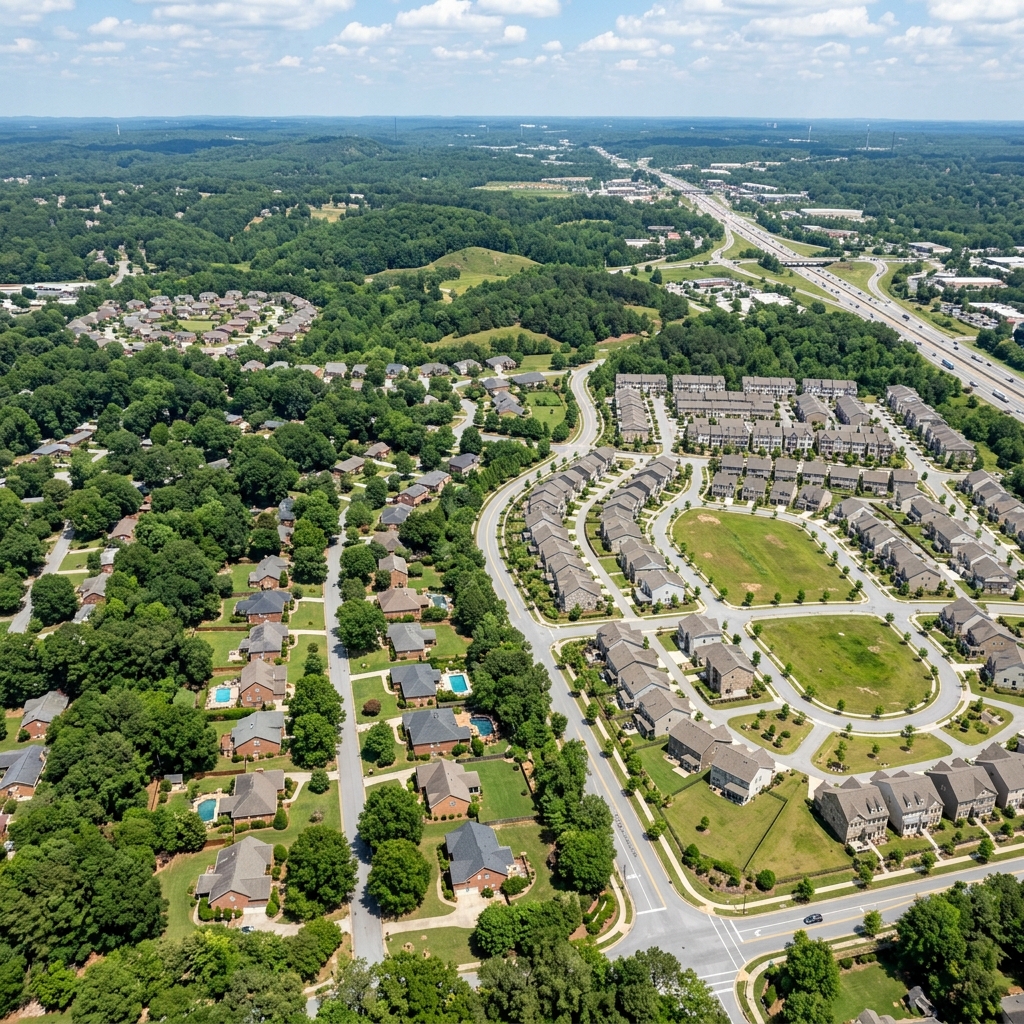
Gwinnett County covers 437 square miles of suburbs, small towns, and rural pockets east of Atlanta. But tree care needs in Lilburn look very different from Lawrenceville, Duluth, or Grayson. Property age, lot configuration, tree species, and soil type all vary � and they all affect what kind of tree service you need and what it costs.
Older established areas like Lilburn, Tucker, and Norcross deal primarily with mature tree management, while newer communities in Grayson and Loganville face different challenges from construction damage and young tree establishment.
How Lot Sizes Shape Tree Service Needs
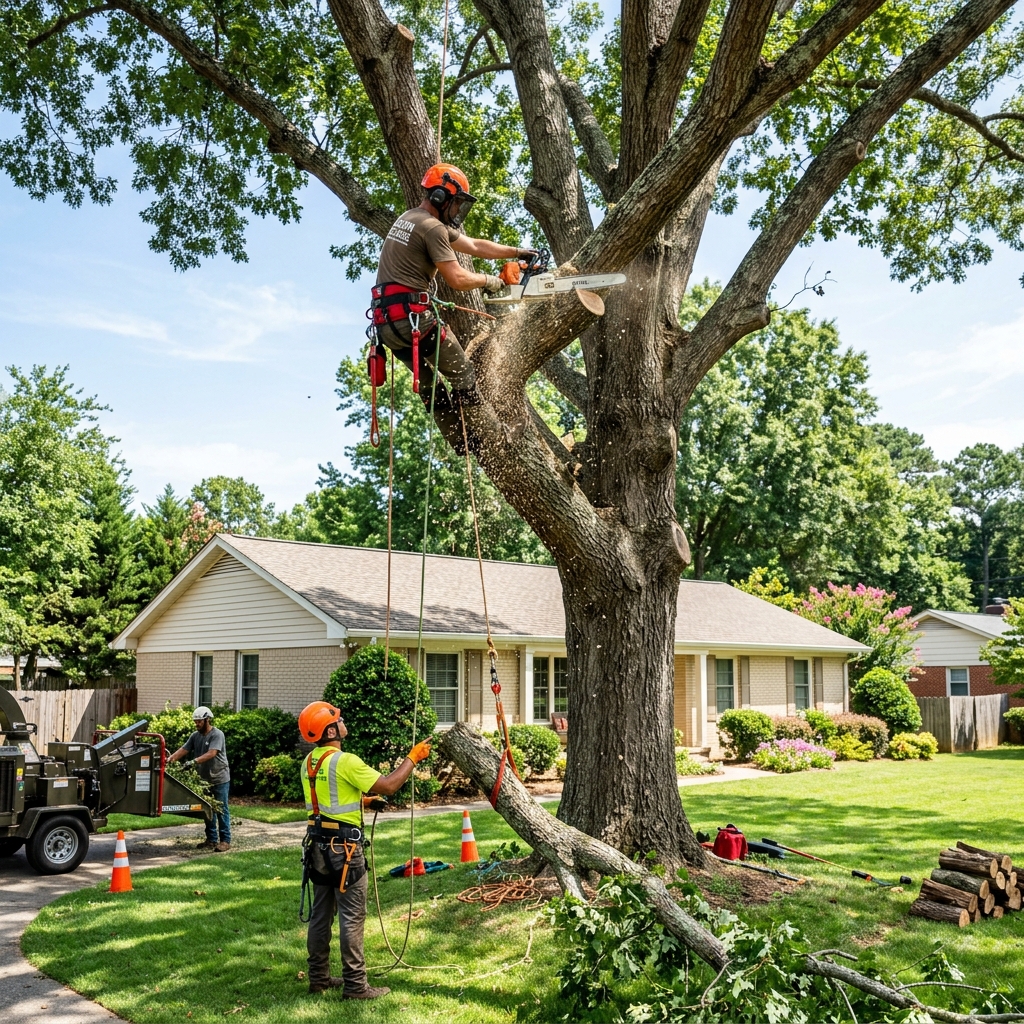
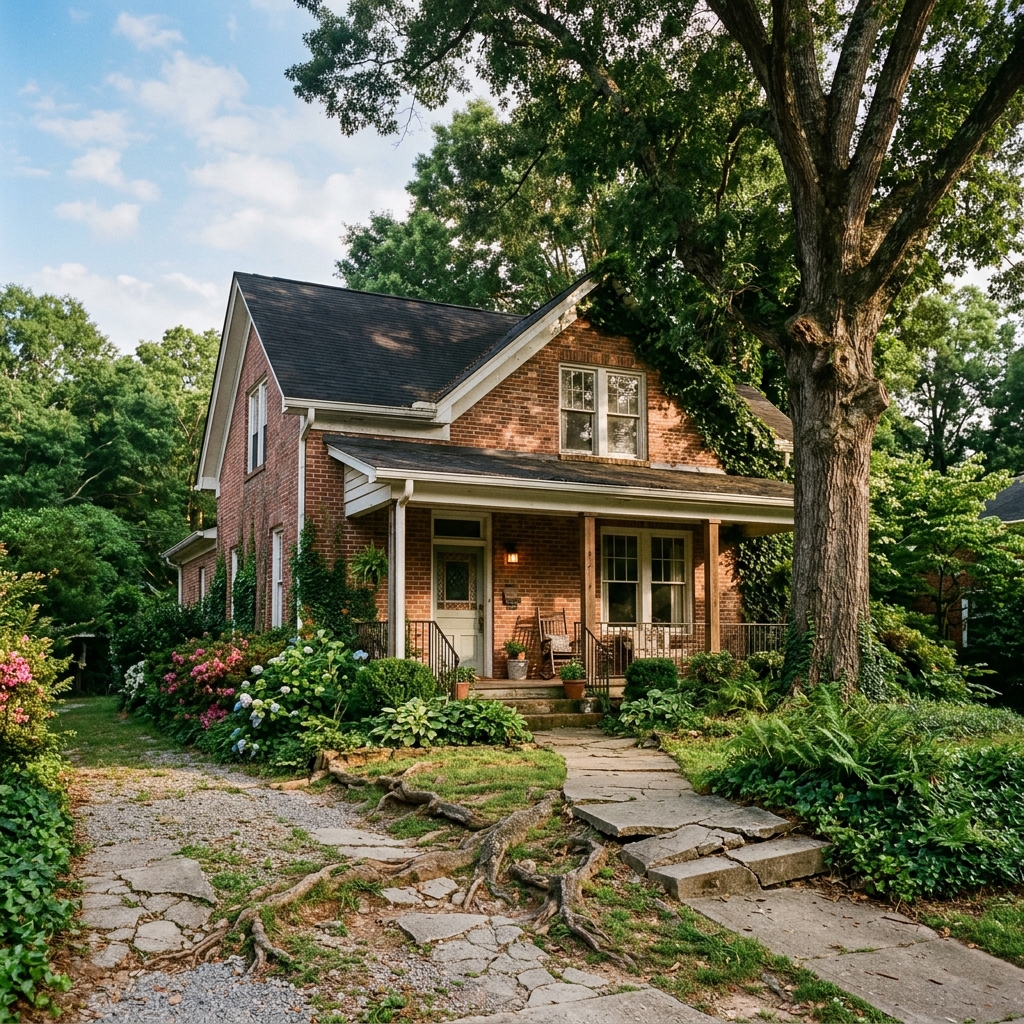
Lilburn's established neighborhoods typically sit on quarter-acre to half-acre lots with mature canopy trees planted 30�50 years ago. These trees were sized for the original landscape but have outgrown their spaces. Branches reach across property lines, roots extend under driveways, and canopies overhang roofs on every side.
Compare that to newer developments in Grayson or east Loganville, where half-acre to one-acre lots give trees room to spread. Tree work on these larger properties often involves managing tree lines along property borders rather than individual trees pressing against structures.
Lawrenceville falls somewhere in between � the county seat has both historic neighborhoods with old-growth trees and modern subdivisions with young landscapes. Each requires a different approach.
Tree Ages Vary Dramatically
- Lilburn, Tucker, Norcross: Primarily 40�80 year old trees. These mature specimens need regular inspection, preventive pruning, and selective removal as they age.
- Lawrenceville, Snellville: Mix of 20�50 year old trees in mid-growth phases. Crown management and structural training are key priorities.
- Duluth, Stone Mountain: Combination of preserved mature trees and newer plantings around commercial development. Urban forestry challenges mix with suburban residential needs.
- Grayson, Loganville: Predominantly younger trees (10�25 years) in newer subdivisions. These areas see more new planting advice and construction-related tree damage.
Soil and Drainage Differences
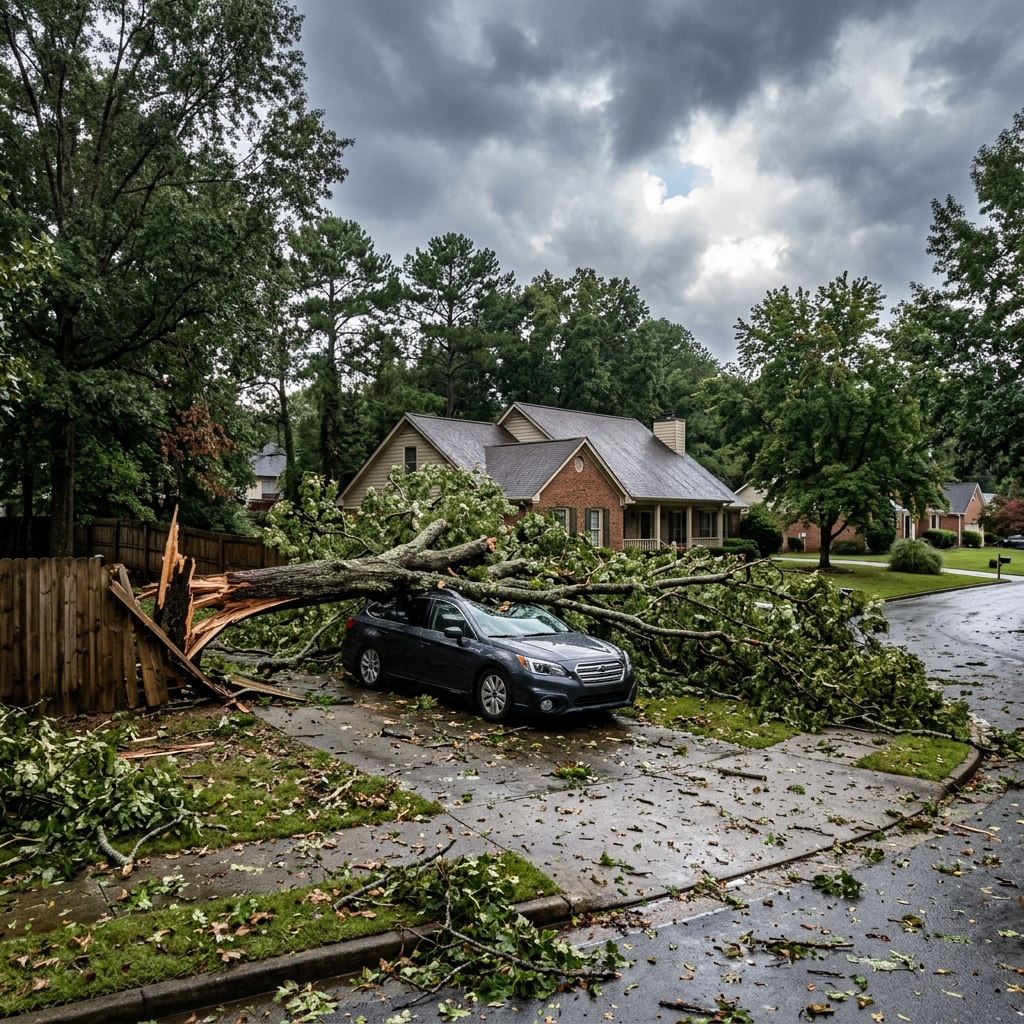
Gwinnett County's soil varies significantly. Lilburn sits on Georgia red clay that expands when wet and shrinks when dry. This clay creates challenges for root stability � trees planted in pure clay often develop shallow, plate-like root systems that uproot in saturated conditions during storms.
Areas closer to Stone Mountain have rockier soil with granite outcroppings that force roots sideways rather than down. Properties near the Chattahoochee corridor in Duluth and Norcross deal with alluvial soil and higher water tables that affect different tree species differently.
These soil variations mean the same species can perform very differently depending on location. A water oak in well-drained Grayson soil may thrive for decades, while the same species in Lilburn's dense clay becomes root-bound and unstable.
When planting new trees anywhere in Gwinnett County, match the species to your specific soil conditions. A local arborist familiar with your neighborhood's soil profile can recommend species that will thrive for decades rather than struggle and become removal candidates in 15 years.
Common Tree Species by Area
Different eras of development planted different trees. Lilburn's older neighborhoods are dominated by native oaks, hickories, and naturally-seeded pines. Neighborhoods developed in the 1980s and 90s across Lawrenceville and Snellville are full of Bradford pears, Leyland cypress, and ornamental cherry trees � species that are now reaching their problematic years.
Newer communities favor crape myrtles, Japanese maples, and native alternatives that are better suited to smaller lots. Understanding which trees dominate your neighborhood helps predict what maintenance challenges you'll face.
Do Tree Service Prices Vary Across Gwinnett County
Yes, slightly. Work in tight-lot neighborhoods like Old Town Lilburn and older Tucker subdivisions costs more than the same work on larger lots in Grayson due to access constraints, rigging requirements, and the need to protect adjacent properties.
Emergency rates during storm season are similar across the county, but availability varies. Areas closer to major tree service operations in Lawrenceville may see faster response times than outlying areas.