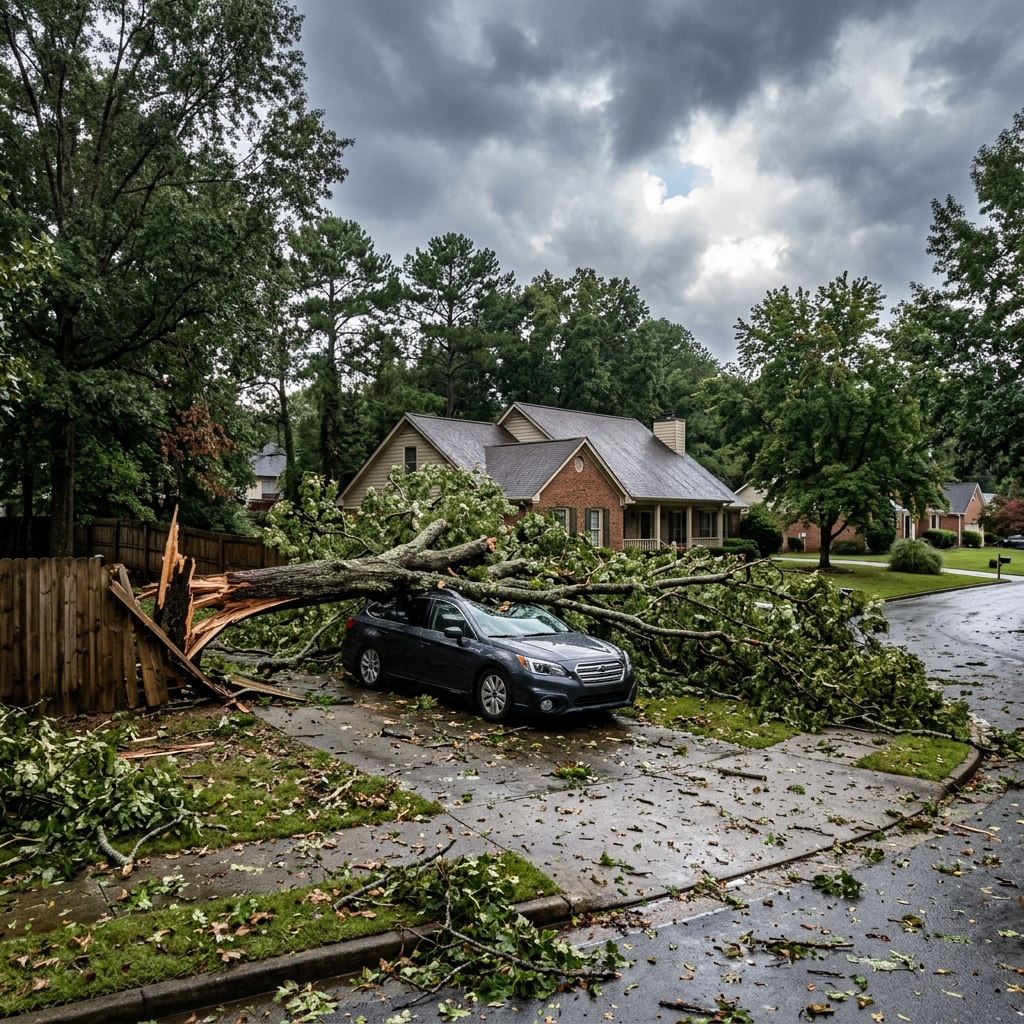
Lilburn sits in one of Georgia's most active storm corridors. Between April and September, severe thunderstorms, microbursts, and occasional tornadoes roll through Gwinnett County regularly � and your trees take the brunt of it. Understanding which trees are at risk and what to look for before storm season can save you thousands in emergency repairs.
The trees most likely to fail during Georgia storms aren't always dead ones. Tall, top-heavy loblolly pines and shallow-rooted water oaks cause the most storm damage in Lilburn neighborhoods because they catch wind like sails and their root systems can't hold in saturated soil.
Lilburn's Storm Season Reality
Metro Atlanta averages 50+ thunderstorm days per year. Lilburn gets its share � plus the occasional severe cell that dumps three inches of rain in an hour. When the ground is already saturated from days of spring rain, even moderate wind gusts of 40�50 mph can topple trees that looked perfectly healthy yesterday.
The worst combination is heavy rain followed by straight-line winds. The rain loosens root systems while the wind provides the force. Neighborhoods near Stone Mountain and Tucker experience similar patterns, but Lilburn's mix of mature hardwoods and tall pines creates a unique risk profile.
Which Trees Are Most Vulnerable
- Loblolly Pines: Tall with shallow root plates. They snap mid-trunk or uproot entirely during high winds. These are the most common tree failures we respond to after storms in Lilburn.
- Water Oaks: They grow fast and die from the inside out. A water oak that looks green and full on the outside may be completely hollow inside. One good gust brings the whole thing down.
- Bradford Pears: Terrible branch structure. They split apart in moderate winds because their branches grow at narrow angles that create weak attachment points.
- Sweetgums: Brittle wood that sheds large limbs without warning, especially when weighted down by heavy rain.
Warning Signs Your Trees Are at Risk
Before storm season, walk your property and look for these red flags:
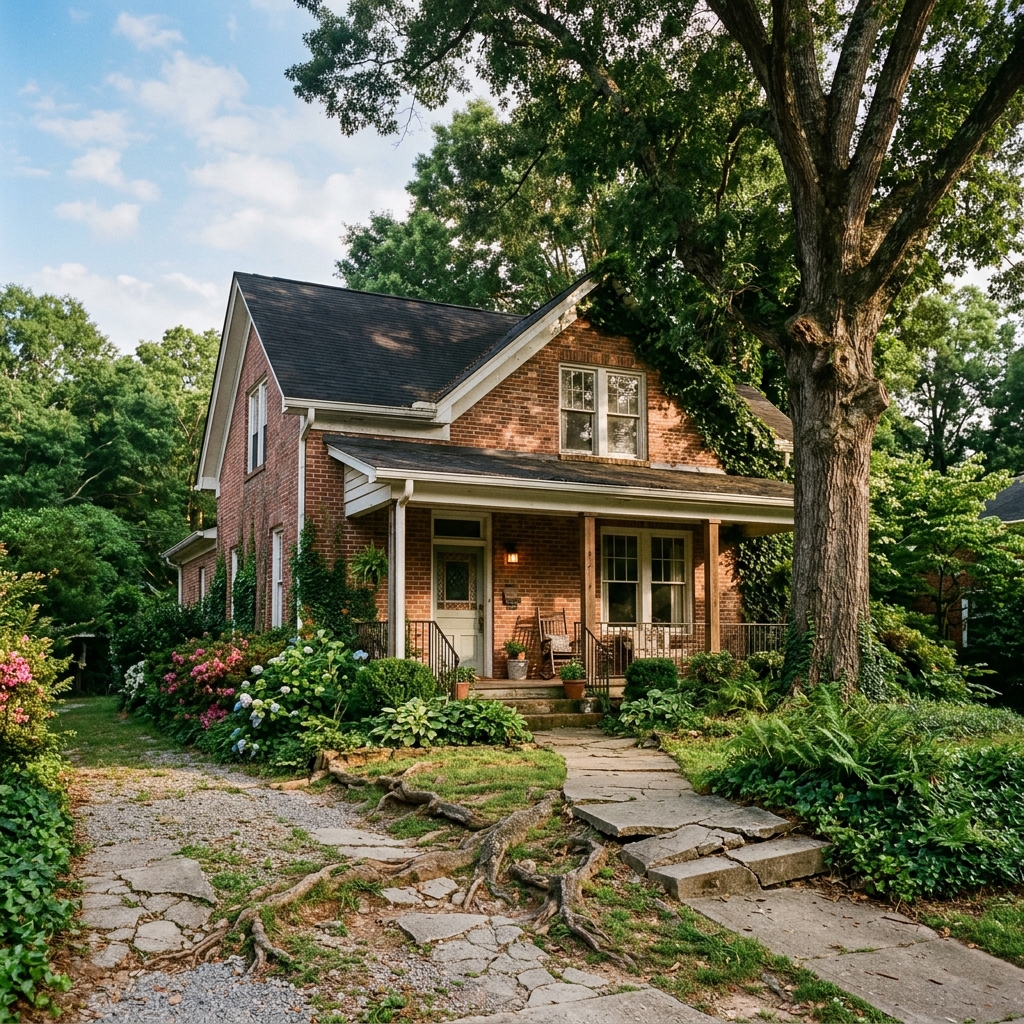
- Leaning trees: A tree that has developed a new lean � especially toward your house � may have compromised roots.
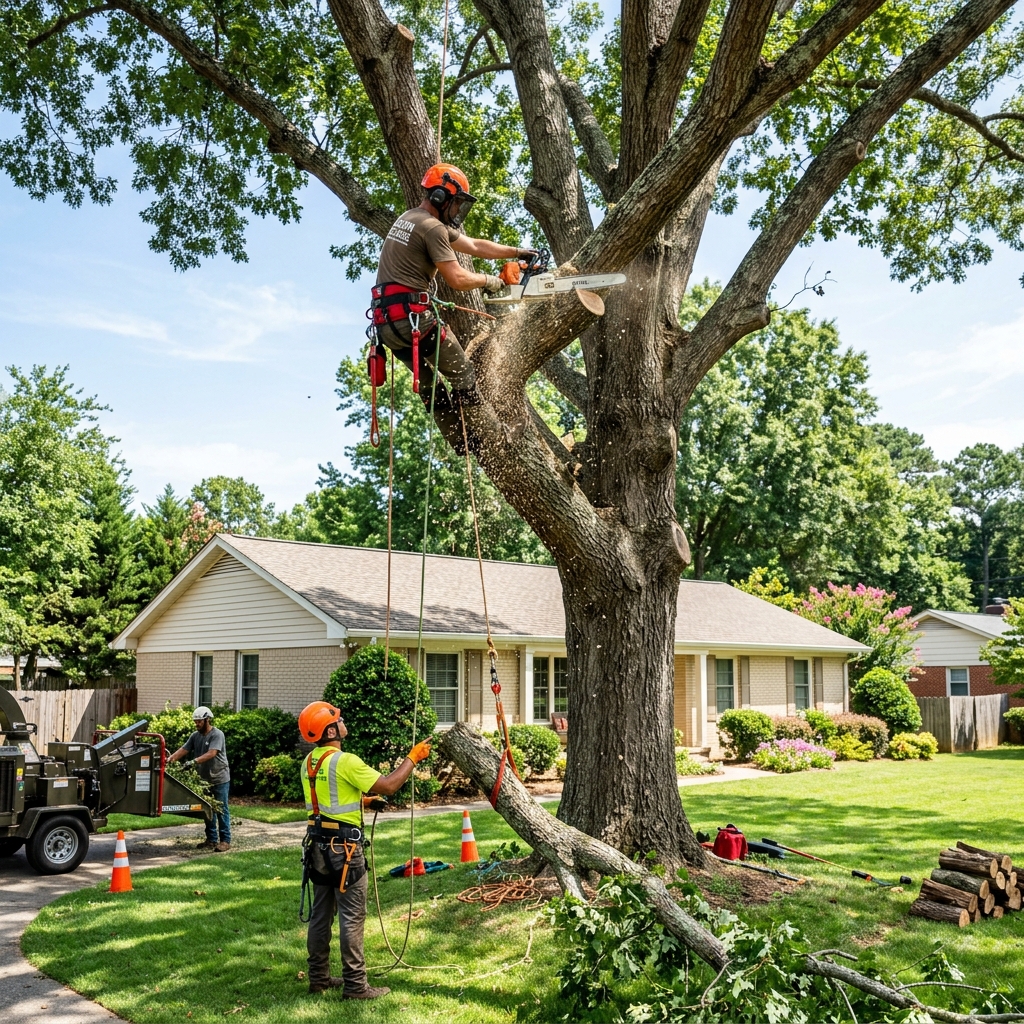
- Dead branches in the canopy: Large dead limbs become missiles in high wind. Professional tree pruning removes these hazards before they fall.
- Mushrooms or fungal growth at the base: This usually indicates internal decay that weakens the trunk's structural integrity.
- Cracks in the trunk: Vertical splits or seams in the bark suggest internal weakness that storm forces will exploit.
- Root heaving: Soil lifting on one side of the tree means the root system is already failing.
A professional tree inspection catches problems that aren't visible from the ground. We use resistance drilling and visual assessment to evaluate structural integrity before storm season hits.
Schedule your tree inspection in early spring � March or April � before the heavy storm season begins. Addressing hazardous trees before they become emergencies costs a fraction of what storm damage cleanup runs. Homeowners near Old Town Lilburn with mature trees especially benefit from annual inspections.
What to Do After Storm Damage
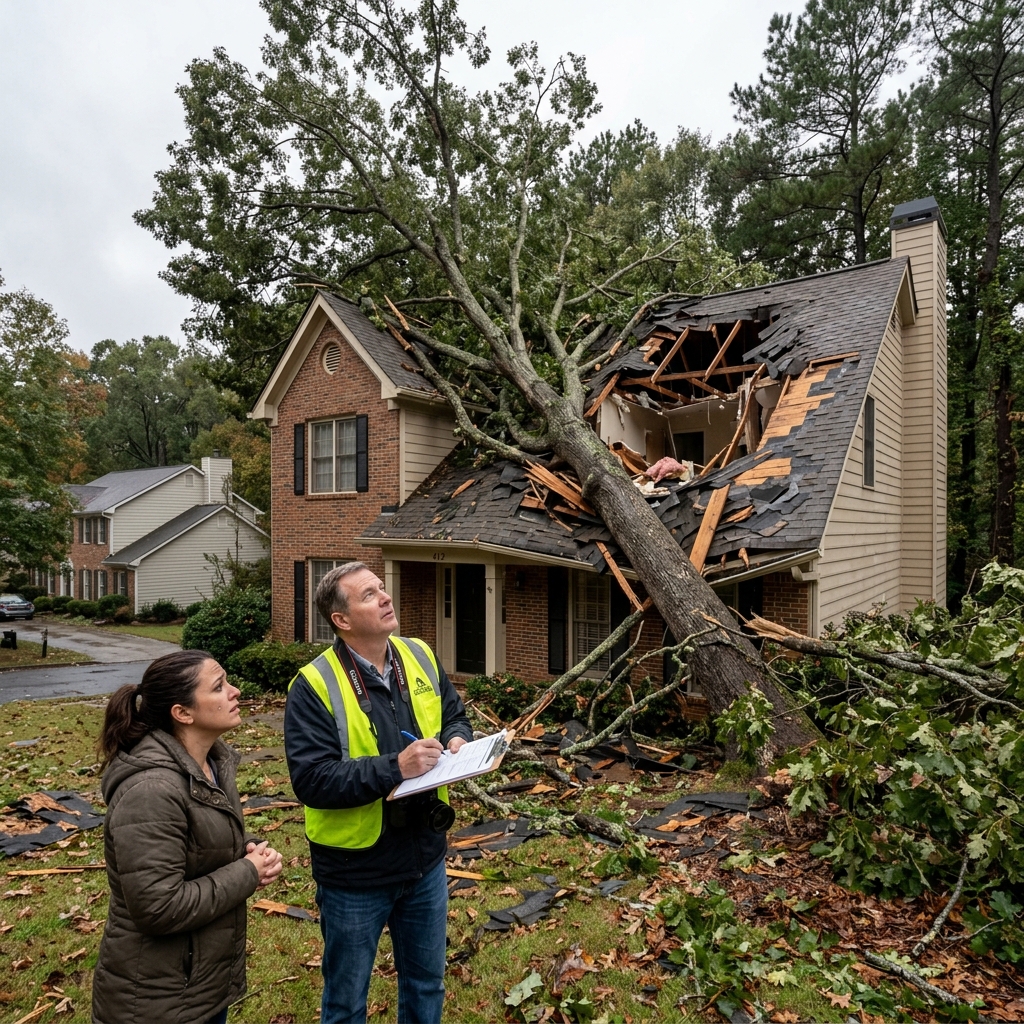
First, stay away from downed trees � especially those near power lines. Call Georgia Power first if lines are involved. Then contact a licensed storm damage tree cleanup service to assess the situation safely.
Document everything with photos before any cleanup begins. Your insurance company will need visual evidence of the damage for claims processing. Take wide shots showing the tree's position relative to your home, and close-ups of any structural damage.
Don't attempt to remove large limbs or trees yourself. Chainsaw work on storm-damaged trees is the most dangerous task in the tree care industry because of unpredictable tension and compression forces in broken wood.
Practical Storm Prevention Steps
Invest in regular tree trimming to reduce canopy density. A thinned canopy allows wind to pass through rather than catching it like a parachute. This single step prevents more storm damage than any other.
Remove dead or dying trees before storm season. That dead pine in the corner of your yard isn't a problem until a thunderstorm turns it into a 3,000-pound projectile aimed at your neighbor's garage.
Consider cabling and bracing for valuable trees with structural weaknesses. This is especially useful for large oaks with co-dominant stems that homeowners want to preserve rather than remove.